Bar chart — Households with high-speed internet in five countries, 2001-2002
📄 Bài mẫu band 8–9
| Introduction | Paraphrase: tỉ lệ hộ gia đình có internet tốc độ cao ở năm nước trong hai năm liền nhau, 2001 và 2002. |
| Overview | Overall: tỉ lệ tăng ở cả năm nước chỉ sau một năm; South Korea bỏ xa phần còn lại, UK luôn thấp nhất. Không số liệu. |
| Body 1 | South Korea 44% → 57% (tăng 13 điểm, lớn nhất); Canada 19% → 27%, vẫn chưa bằng một nửa South Korea. |
| Body 2 | USA 12% → 16% (tăng ít nhất) nên bị Japan vượt (8% → 18%, hơn gấp đôi); UK 1.5% → 7% (hơn gấp bốn) nhưng vẫn thấp hơn mức 8% của Japan năm trước. |
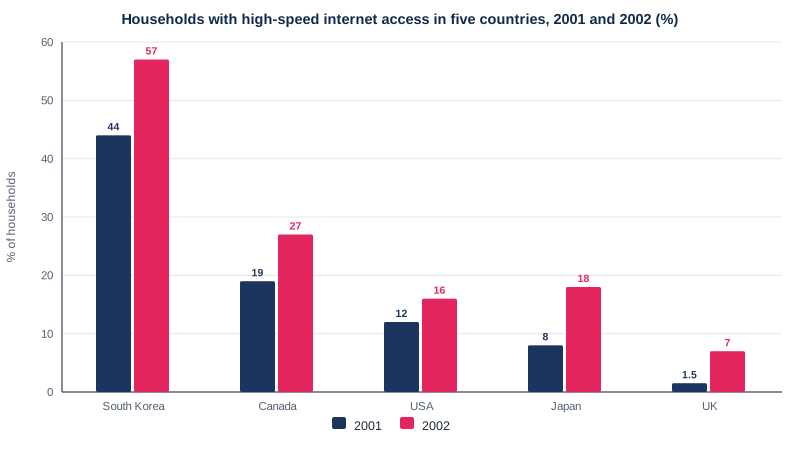
The bar chart illustrates what proportion of households in five countries had a high-speed internet connection in two consecutive years, 2001 and 2002.
Overall, such access became more widespread in all five nations within the space of a single year. South Korea was ahead by a wide margin in both years, whereas the UK had the lowest level of coverage throughout.
In South Korea, 44% of homes already had a fast connection in 2001, and this climbed to 57% a year later, a thirteen-point rise that was the largest on the chart. Canada ranked second, with its figure growing from 19% to 27%, which nevertheless left it at less than half the Korean level.
The other three countries all started below 15%. The USA recorded the most modest growth, from 12% to 16%, and was consequently overtaken by Japan, where the proportion more than doubled from 8% to 18%. The UK trailed the field in both years: only 1.5% of British households had high-speed internet in 2001, and although this figure rose more than fourfold to 7% in 2002, it was still below the level that Japan had reached a year earlier.
| became more widespread | trở nên phổ biến hơn |
| by a wide margin | với khoảng cách rất xa |
| a thirteen-point rise | mức tăng 13 điểm phần trăm |
| overtaken by Japan | bị Nhật Bản vượt qua |
| more than doubled | tăng hơn gấp đôi |
| trailed the field | xếp sau tất cả các nước còn lại |
| rose more than fourfold | tăng hơn bốn lần |